


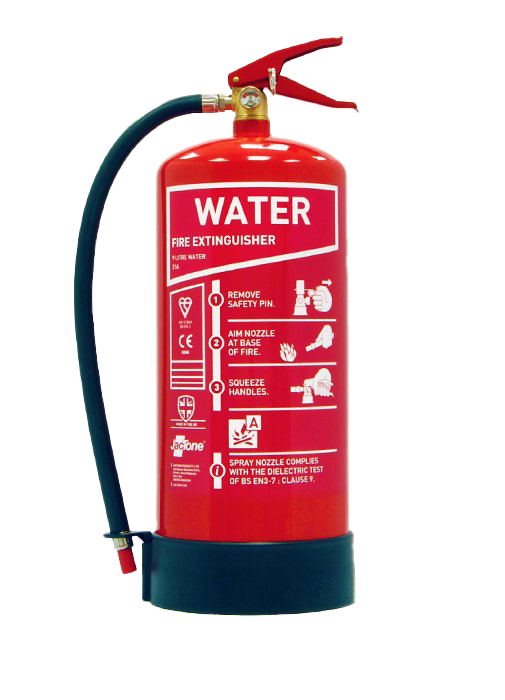
Water Type Fire Extinguisher
- Description
- Specification
Description
Micro Automation provides water fire extinguishers which are the most common and cost-effective tools for tackling Class A fires, which involve organic solid materials like wood, paper, textiles, and coal. They work primarily by cooling the fuel, absorbing heat energy, and turning water into steam to prevent re-ignition.
Description & Identification
- Appearance: Typically a solid red cylinder with a red label or identification band.
- Operating Types:
- Stored Pressure: The water and propellant gas (usually nitrogen) are stored together in the same container under constant pressure.
- Cartridge Operated: Uses a separate internal gas cartridge that must be punctured to pressurize the water before use.
- Nozzle Types: Most use a jet nozzle for a concentrated stream, though water spray models use specialized nozzles to cover larger surface areas more efficiently.
Critical Safety Warning
- No Electricity: Never use standard water extinguishers on electrical fires; water is a conductor and poses a severe risk of electrocution.
- No Oil/Grease: Do not use on Class F/K (kitchen)or Class B (liquid) fires, as water can cause the burning oil to splash and spread the fire violently.
Specifications can vary by manufacturer and region (e.g., BS EN3 or IS standards), but common benchmarks for a standard 9-litre unit include:
| Feature | Standard 9L Specification |
| Fire Rating | Typically 13A to 21A (UL/EN3) or 3A to 4A (IS) |
| Discharge Time | 40 to 60 seconds |
| Discharge Range | 4 to 7 meters |
| Working Pressure | Approx. 12 to 15 bar (at 20°C) |
| Full Weight | Approx. 13.5 kg to 15 kg |
| Temperature Range | Typically +5°C to +60°C (to avoid freezing) |
| Cylinder Material | Mild steel with internal polyethylene lining or stainless steel |
Related Products
-
 Quick View
Dry Powder Fire Extinguisher
-
 Quick View
Fire Extinguisher Cabinet
-
 Quick View
CO2 Fire Extinguisher
-
 Quick View
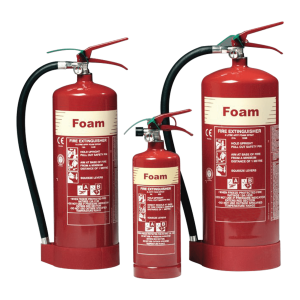
Foam Fire Extinguisher