
Manual Fire Alarm Activation System
- Description
- Specification
Description
A manual fire alarm activation system is a network of devices designed to allow building occupants to intentionally trigger an emergency alert. Unlike automatic systems that rely on sensors like smoke or heat detectors, manual systems require human intervention to initiate the alarm signal.
System Description
The system functions as a communication loop between human-operated “initiating devices” and a central command unit.
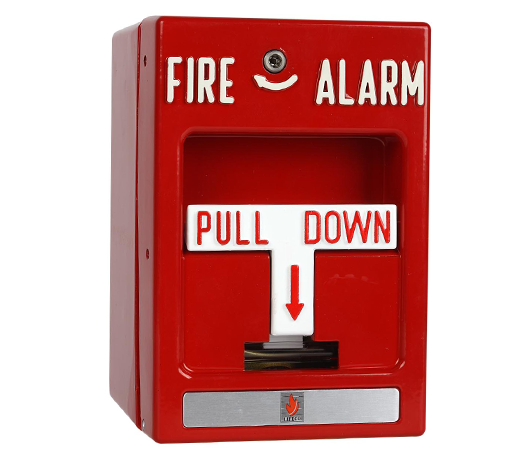
- Manual Call Points / Pull Stations: These are the physical interfaces (often red) located throughout a building. When a person discovers a fire, they pull a lever or break a glass panel to send an electrical signal to the system.
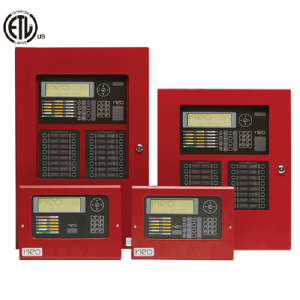
- Fire Alarm Control Panel (FACP): Known as the “brain” of the system, the panel receives the signal from the pull station, identifies the location (zone or specific address), and activates notification devices.
- Notification Appliances: Once triggered, the system activates audible devices (horns, sirens, bells) and visual devices (strobe lights) to alert all occupants to evacuate.
- Advanced Integration: Modern systems may also automatically unlock emergency exits, shut down HVAC systems to prevent smoke spread, and notify a central monitoring station or the local fire department.
The design and installation of these systems are strictly governed by safety standards such as NFPA 72 (USA) or BS 5839 (UK).
| Category | Typical Specifications |
| Activation Types | Single-Action: One motion (pulling down) triggers the alarm. Double-Action: Two motions (e.g., lift cover then pull, or break glass then pull) to prevent accidental triggers. |
| Placement | Must be within 5 feet (1.5m) of every exit and no more than 200 feet (61m) of travel distance from any point on a floor. |
| Mounting Height | Typically installed at a standard height (approx. 1.1m to 1.37m or 42–54 inches) to ensure accessibility for all users. |
Related Products
-
 Quick View
Battery Operated Optical Smoke Detector
-
 Quick View
NEO SERIES Control Unit
-
 Quick View
Wall Mounted-Outdoor Sounder & Flasher
-
 Quick View
Fire Alarm Bell System
-
 Quick View
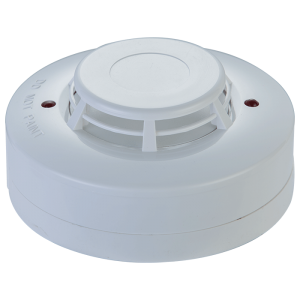
Heat Detector
-
 Quick View
Alarm Clipart Smoke Detector
-
 Quick View
Air Circuit Breaker (ACB)
-
 Quick View
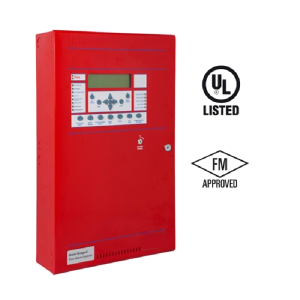
OMEGA Series Control Unit
-
 Quick View
Detection Systems Diagram
-
 Quick View
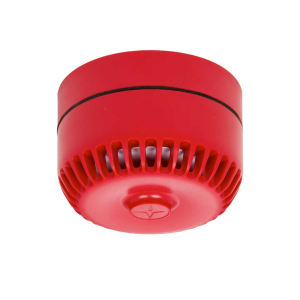
Fire Sounder