
Fire Sounder
- Description
- Specification
Description
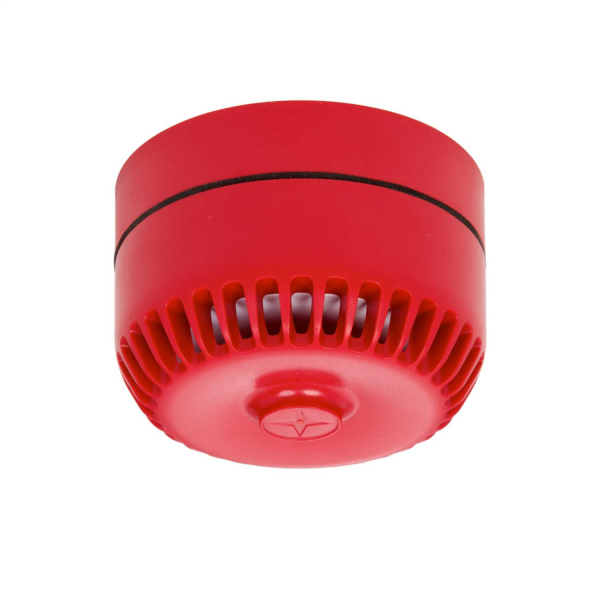
A fire sounder is an essential audible safety device designed to alert building occupants during a fire or emergency. It is typically mounted on walls or ceilings and integrated into a broader fire alarm system controlled by a central panel.
General Description
- Purpose: To provide a loud, recognizable warning (typically >65 dB) to ensure immediate evacuation.
- Types:
- Electronic Sounders: Most common today; utilize electronic circuitry to generate multiple tones and volume levels.
- Bells & Horns: Traditional devices; bells offer a clear ringing tone, while horns provide a powerful directional blast.
- Voice Sounders: Use pre-recorded messages to provide specific evacuation instructions.
- Sounder Bases: Integrated into the mounting base of a detector to save space.
- Key Features: Many modern units feature selectable tones (often 32–64 options), volume control, and synchronization with other devices to ensure all alarms sound in phase.
Common Technical Specifications
| Feature | Standard Range / Specification |
| Operating Voltage | 17V to 30V DC (standard fire applications); some support 9V–60V |
| Sound Output (SPL) | 85 dB to 116 dB(A) at 1 meter |
| Current Consumption | Quiescent: ~500µA; Alarm: 10mA to 55mA (depending on volume/tone) |
| IP Rating | IP21C (Indoor) to IP66 (Outdoor/Weatherproof) |
| Tone Options | 4 to 64 user-selectable tones |
| Operating Temp | -25°C to +70°C for robust units; -10°C to +55°C for standard indoor units |
| Compliance | EN54-3 (European) or NFPA 72 (US) standards |
Installation & Maintenance
- Mounting: Usually wall or ceiling mounted via a "first-fix" base that allows wiring to be completed before the sounder head is attached.
- Power: Derived from the alarm loop (loop-powered) or an external 24V DC source.
- Backup: Must be able to operate for at least 30 minutes on backup power during a failure.
Related Products
-
 Quick View
Wall Mounted-Outdoor Sounder & Flasher
-
 Quick View
PE-6SN & PE-10SN – Power Extender
PE-6SN:
• 24VDC rated @ 6 amps max
• Two (2) Class A or Four (4) Class B outputs
• Enclosure size of 16 3/4″H x 16 1/8″W x 3 1/2″D
PE-10SN:
• 24VDC rated @ 10 amps max
• Three (3) Class A or Six (6) Class B outputs
• Enclosure size of 16 3/4″H x 16 1/8″W x 3 1/2″D -
 Quick View
Alarm Clipart Smoke Detector
-
 Quick View
Fire Alarm Bell System
-
 Quick View
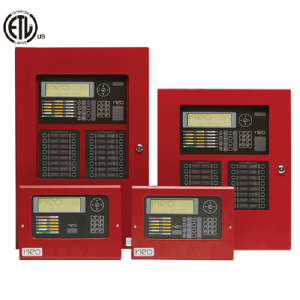
NEO SERIES Control Unit
-
 Quick View
Detection Systems Diagram
-
 Quick View
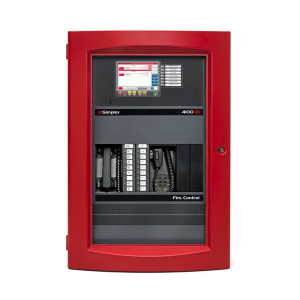
SIMPLEX (Johnson Controls)
-
 Quick View
Air Circuit Breaker (ACB)
-
 Quick View
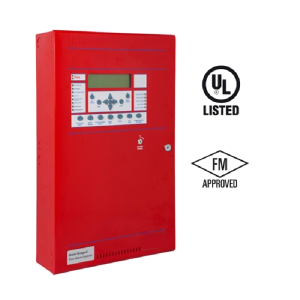
OMEGA Series Control Unit
-
 Quick View
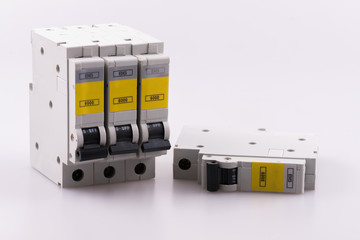
Miniature Circuit Breaker