
Air Circuit Breaker (ACB)
- Description
- Specification
Description
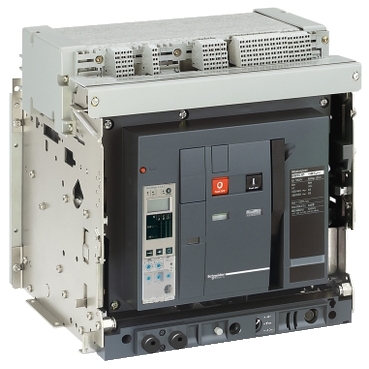
An Air Circuit Breaker (ACB) is a specialized electrical protection device used to automatically break a circuit under fault conditions (overcurrent, short circuit, etc.). It is primarily used in low-voltage applications (typically 415V to 690V, up to 15kV) for power distribution in industrial plants, generators, and data centers, offering high current ratings ranging from 800A to 10,000A.
Description of Air Circuit Breaker (ACB)
- Operating Principle: ACBs operate in air at atmospheric pressure to interrupt the current. When the contacts separate during a fault, an electric arc is formed. The ACB uses arc chutes (made of insulating, heat-resistant material) to split, lengthen, and cool this arc until it is extinguished.
- Arc Extinction Method: Arc chutes consist of metallic separation plates that split the initial arc into a series of smaller arcs, causing the arc voltage to rise above the system voltage, thus extinguishing it.
- Key Components:
- Main & Arcing Contacts: Main contacts are usually copper, while arcing contacts are made of specialized heat-resistant materials (like carbon or silver alloy) to protect the main contacts from wear.
- Arc Chute: A chamber that surrounds the contacts to guide and quench the arc.
- Operating Mechanism: Typically spring-operated (manual or motor-driven) to allow quick opening and closing.
- Trip Unit: Microprocessor-based unit that monitors current and signals the breaker to trip during faults.
- Types:
- Fixed Type: Permanently installed in the panel.
- Draw-out Type: Mounted on a cradle, allowing it to be removed for maintenance without disconnecting main cables.
Specifications of ACBs
- Rated Current:630A to 6300A (up to 10,000A in special cases).
- Rated Voltage: Up to 690V AC, sometimes up to 1000V AC or higher for specialized, higher-voltage applications.
- Breaking Capacity: High, often up to 135kA, and even higher (e.g., 66kA, 100kA) depending on the model.
- Standards: Typically conform to IEC 60947-2, EN 60947-2, or IS 13947-2.
- Poles: Available in 3-pole or 4-pole configurations.
- Trip Settings: Adjustable thresholds for Overload , Short Circuit, and Ground Fault.
Key Features & Advantages
- No Fire Risk: Unlike oil circuit breakers, ACBs do not use flammable materials, reducing fire hazards.
- High Reliability: Suitable for frequent, heavy-duty operation in harsh industrial environments.
- Maintenance: Generally easy to maintain, especially draw-out versions, due to accessible arcing contacts.
Safety Interlocks: Include interlocks to prevent improper operation (e.g., racking in/out when closed).
Related Products
-
 Quick View
Detection Systems Diagram
-
 Quick View
Alarm Clipart Smoke Detector
-
 Quick View
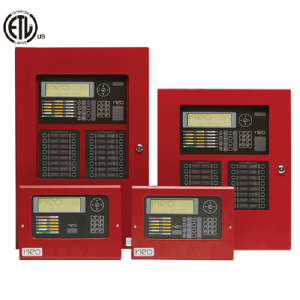
NEO SERIES Control Unit
-
 Quick View
AURA Series Control Unit
-
 Quick View
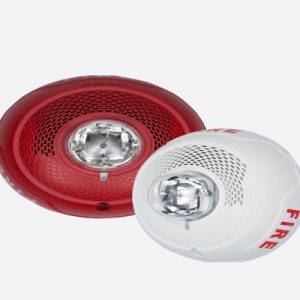
Ceiling Mounted Sounder and Flasher
-
 Quick View
Wall Mounted-Outdoor Sounder & Flasher
-
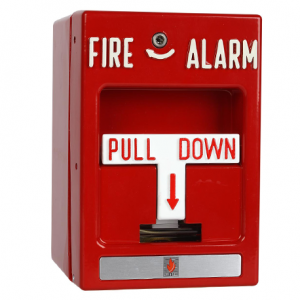 Quick View
Manual Fire Alarm Activation System
-
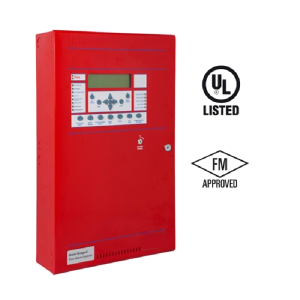 Quick View
OMEGA Series Control Unit
-
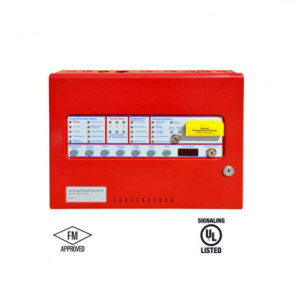 Quick View
Extinguishing Control Panel
-
 Quick View
Battery Operated Optical Smoke Detector