
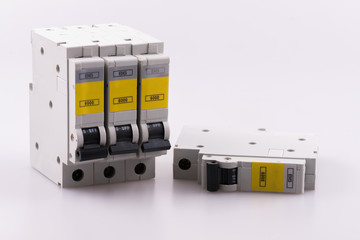
Miniature Circuit Breaker
- Description
- Specification
Description
A Miniature Circuit Breaker (MCB) is an automatically operated electromechanical switch designed to protect low-voltage electrical circuits from damage caused by overcurrent (overloads and short circuits). By cutting off power when a fault is detected, it prevents wires from overheating and significantly reduces the risk of electrical fires.
Description and Functional Mechanisms
Unlike traditional fuses that melt and must be replaced, MCBs can be easily reset with a manual switch after a fault is cleared. They utilize two main internal mechanisms to detect faults:
- Thermal Protection (for Overloads):A bimetallic strip heats up and bends when excess current flows for a prolonged period. This bending triggers a latch that opens the contacts, breaking the circuit.
- Magnetic Protection (for Short Circuits):An electromagnetic coil (solenoid) reacts instantly to a sudden high surge of current. The magnetic field pulls a plunger to hit the trip lever, causing an immediate disconnection.
- Arc Extinguishing: When contacts separate, an electrical arc forms; an arc chute (made of metal plates) splits and cools the arc to prevent damage and fire.
Key Specifications
When selecting or specifying an MCB, the following parameters are typically found on the device's nameplate:
| Parameter | Description | Common Ratings |
| Rated Current | The maximum current the MCB can carry continuously without tripping. | 0.5A, 6A, 10A, 16A, 32A, 63A, up to 125A. |
| Breaking Capacity | The highest fault current the MCB can safely interrupt without damage. | 6kA (residential), 10kA, or 16kA+ (industrial/heavy-duty). |
| Voltage Rating | The maximum operating voltage for the device. | 230V/240V (Single-phase), 400V/415V (Three-phase). |
| No. of Poles | Indicates how many conductors the MCB can disconnect. | 1P (Single Pole), 2P (Double Pole), 3P, 4P. |
| Tripping Curve (Type) | Defines the sensitivity and speed of tripping relative to the current surge. | Types B, C, D, K, and Z (see detail below). |
| Standards Compliance | Ensures the device meets international safety benchmarks. | IEC 60898-1 (residential), IEC 60947-2 (industrial). |
Tripping Characteristics (Classifications)
The tripping curve determines the application based on the "inrush" current (initial surge when a device turns on):
- Type B:Trips at 3–5 times the rated current. Ideal for resistive loads with low surges, such as household lighting and heaters.
- Type C:Trips at 5–10 times the rated current. Suitable for inductive loads with moderate surges, like small motors, fluorescent lighting, and fans.
- Type D:Trips at 10–20 times the rated current. Designed for high inrush currents, such as large transformers, welding equipment, and X-ray machines.
- Type K & Z:Highly sensitive types used to protect semiconductor devices and precision electronics.
If you'd like, we can help you identify the specific MCB type you need by discussing the appliances you're protecting or explain how to properly install one on a DIN rail.
Related Products
-
 Quick View
Air Circuit Breaker (ACB)
-
 Quick View
Photo-Electric Smoke Detector
-
 Quick View
Detection Systems Diagram
-
 Quick View
PE-6SN & PE-10SN – Power Extender
PE-6SN:
• 24VDC rated @ 6 amps max
• Two (2) Class A or Four (4) Class B outputs
• Enclosure size of 16 3/4″H x 16 1/8″W x 3 1/2″D
PE-10SN:
• 24VDC rated @ 10 amps max
• Three (3) Class A or Six (6) Class B outputs
• Enclosure size of 16 3/4″H x 16 1/8″W x 3 1/2″D -
 Quick View
Manual Fire Alarm Activation System
-
 Quick View
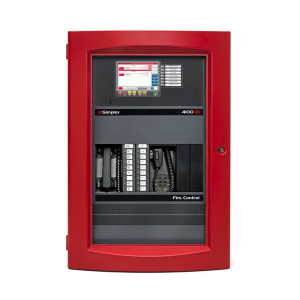
SIMPLEX (Johnson Controls)
-
 Quick View
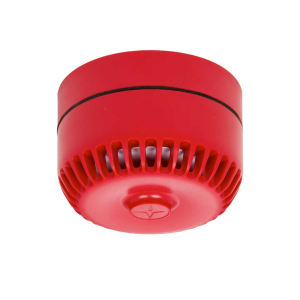
Fire Sounder
-
 Quick View
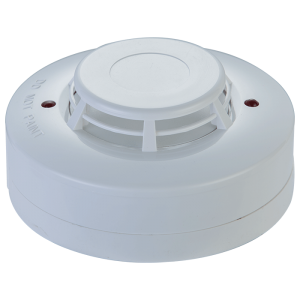
Heat Detector
-
 Quick View
Wall Mounted-Outdoor Sounder & Flasher
-
 Quick View
Battery Operated Optical Smoke Detector